The Art of Thoughtfulness: Making Gifts Feel Personal When You're on a Budget
We’ve all been there. You are standing in an overwhelming department store, scrolling through shelves filled with things that might make him happy—a tie, a gadget, another scented candle. You feel the familiar pinch of panic when you look at the price tag, followed immediately by the guilt trip: Is this enough? Does he deserve better than $35 and a generic gift bag?
Gift-giving often feels like a mathematical equation where your budget is on one side, and your love’s perceived value is astronomically high on the other. It's an impossible problem. We want him to feel utterly spoiled—like he won't need anything else for years—but we also have a careful list of items we can afford.

If you are feeling that tension right now, take a deep breath. The secret to great gift-giving isn't about the dollar amount; it’s about the geometry of thought. It’s how thoughtfully you connect what he loves with what you know about him—and those connections cost almost nothing. This guide is less about buying things and more about curating feelings.
Shifting Focus: From Stuff to Shared Experiences
The most powerful, yet often overlooked, component of a thoughtful gift is the memory it facilitates. When we think "gift," our brains default immediately to physical objects (a box, a bottle, a sweater). But sometimes, the best gifts are tickets to an experience, even if they're DIY experiences.
Instead of buying things, consider giving him time and curated moments. This approach works brilliantly for budget-friendly hampers because you aren’t filling it with junk; you're filling it with potential joy.
- The "Coupon" Concept: Instead of a gift card, create physical vouchers for services only you can provide: "One afternoon of grilling and cleanup," or "Movie night, snacks provided (and zero complaining allowed)."
- The Shared Activity Kit: Did he mention wanting to try brewing his own IPA? Don't buy the brewery membership. Instead, purchase a small starter kit—a unique yeast packet, some specialty hops from a local shop, and maybe an interesting book on homebrewing techniques. The gift is the next adventure.
- The Picnic Basket Upgrade: Skip the expensive charcuterie board. Focus instead on three specific items that scream "nostalgia" or "local": his favorite childhood snack, a fancy jar of jam from a local farm, and a unique blend of coffee you know he hasn't tried.
The Power of Consumables: Small Items, Big Impact
When gift-giving is constrained by budget, the best strategy is to focus on consumables. A consumable item cannot be kept in a drawer and forgotten; it must be used, enjoyed, and therefore, remembered. They feel luxurious because they are dedicated pleasures meant for immediate enjoyment.
Think of your hamper as an olfactory or gustatory journey. You aren't building a collection of random things—you are constructing a mood.
How to build a sensory hamper under $50:
- The Gourmet Snack Dive: Instead of one big box of chocolates, gather four small, highly specialized items: artisanal popcorn seasoning, a fancy single-origin chocolate bar, a bag of unique jerky, and maybe some spiced nuts. These feel incredibly selective and high-end because they are niche.
- The Local Roast Pairing: If he drinks coffee or tea, skip the branded gift set. Instead, visit a local roaster and buy two different small bags—one for his morning routine, one for an afternoon treat. This shows you care about the quality of his daily rituals.
- The Self-Care Kit (for Him): Skip the bulky cologne bottle. Opt instead for high-impact, specialized items like a local beard oil, a fancy soap meant for shaving, or a really nice pair of fuzzy socks paired with a specific brand of specialty hot cocoa mix.
This approach transforms a collection of small purchases into a highly curated experience package.
The Secret Ingredient: Presentation and Storytelling
You could buy the most expensive gift imaginable, but if it's dumped in a plain brown box, it feels transactional. Conversely, you can gather four simple items—a jar of local honey, a funny book, two fancy pencils, and a single craft beer—and make them feel magnificent through presentation.
The wrapping and the accompanying note are where your emotional labor shines through. They prove that the gift wasn't bought in five minutes; it was assembled with care.
Mastering the Reveal:
- Curate the Vessel: Don't just use a cheap basket. Use something reusable, like a small wooden crate or a nice canvas tote bag. The vessel itself becomes part of the gift (and he can reuse it).
- The Handwritten Narrative: This is non-negotiable. Never let the card be generic ("Happy Father's Day!"). Instead, write a tiny narrative that explains why you chose each item. "I got this coffee because I remember how much you loved camping trips last year, and I know you deserve a great morning after an early start." This transforms objects into evidence of your attention.
- The Anecdotal Anchor: We all have those moments where a seemingly random detail pops into our heads—a shared laugh over a bad movie, the way he always hums when cooking. Anchor one item in the gift to that specific memory. "This whiskey reminded me of that disastrous night we tried to cook steak on the grill; here’s something for next time."
I remember years ago trying to buy my dad a 'cool' gadget—something shiny and expensive at the mall. He opened it, looked confused, and put it back in the box. Later, I found him sitting on the porch with a cheap, slightly wilted bouquet of wildflowers I had gathered myself that morning, laughing into his lap while reading an old comic book. It cost zero dollars beyond my time, but it was priceless. The gift didn't need to https://lukasxcvo097.bearsfanteamshop.com/the-ultimate-gift-ideas-for-pop-culture-loving-dad-this-father-s-day be perfect; it needed to feel like us.
Beyond the Basket: Connecting the Dots
Ultimately, making a gift feel personal on a budget is about proving that you are paying attention. It’s not enough to know he likes whiskey; you have to know whether he Tea Collection prefers smoky peat notes or clean oak finishes. It's not enough to know he reads; you have to know if he tends toward historical non-fiction or modern sci-fi thrillers.
Gift-giving, at its core, is a conversation carried out without words. If you approach it by asking yourself: "What small detail about him did I notice recently that I want him to enjoy?"—you will bypass the entire problem of cost and hit the sweet spot of genuine thoughtfulness every single time.
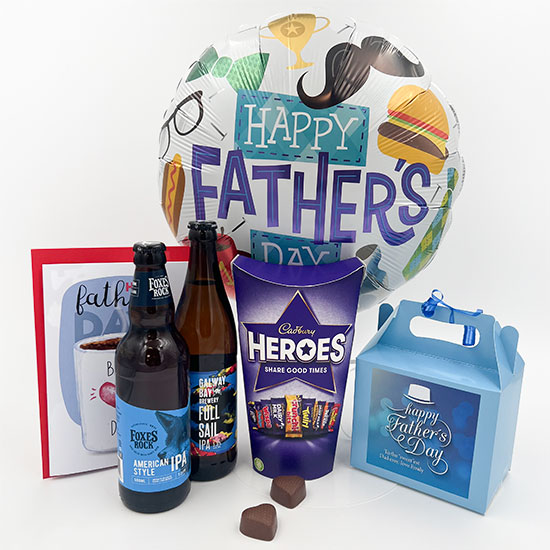
The greatest luxury isn't found in price tags; it lives right here, in the effort you put into making the connections. And those are always free.